
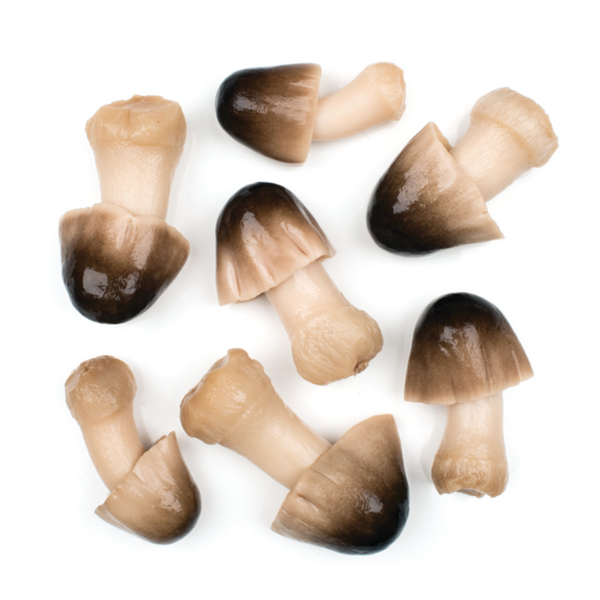
In the realm of culinary delights, few ingredients evoke the earthy essence and delicate flavor of mushrooms quite like the humble straw mushroom. With its unique texture and versatility, this fungus has found its way into cuisines around the world, enriching dishes with its subtle taste and nutritional benefits. As consumers, navigating the array of products and services related to straw mushrooms can be a delightful yet daunting task. In this article, we embark on a journey to compare and contrast various offerings, helping you make informed choices that suit your culinary preferences and lifestyle.
Table of Contents
ToggleUnderstanding the Straw Mushroom
Before delving into the comparisons, let’s take a moment to understand the straw mushroom itself. Also known as Volvariella volvacea, the straw mushroom is cultivated primarily in Southeast Asia and China. It boasts a delicate, slightly sweet flavor and a unique texture that adds depth to stir-fries, soups, and other dishes.
Straw mushrooms are prized not only for their taste but also for their nutritional value. They are low in calories and fat, yet rich in essential vitamins, minerals, and antioxidants, making them a healthy addition to any diet.
Fresh vs. Canned
One of the primary choices consumers face when selecting straw mushrooms is between fresh and canned varieties. Each option has its own merits and drawbacks, catering to different culinary needs and preferences.
Fresh Straw Mushrooms
Fresh straw mushrooms are prized for their crisp texture and vibrant flavor. They are typically harvested when young, ensuring optimal taste and nutritional content. When purchasing fresh straw mushrooms, look for firm caps and intact stems, avoiding any signs of bruising or discoloration.
One of the key advantages of fresh straw mushrooms is their versatility in cooking. They can be stir-fried, sautéed, or added to soups and stews, retaining their unique taste and texture. However, fresh straw mushrooms have a relatively short shelf life and must be consumed promptly to avoid spoilage.
Canned Straw Mushrooms
Canned straw mushrooms offer convenience and extended shelf life, making them a popular choice for home cooks and chefs alike. They are harvested at peak freshness and preserved in brine or water, ensuring that they retain their flavor and nutritional value.
One of the primary benefits of canned straw mushrooms is their convenience. They can be stored for extended periods, ready to be used at a moment’s notice. Additionally, canned straw mushrooms are readily available year-round, making them a reliable option regardless of seasonality.
However, some consumers may find that canned straw mushrooms lack the crispness and flavor of their fresh counterparts. Additionally, the canning process can sometimes impart a slightly metallic taste to the mushrooms, though this can be mitigated by rinsing them thoroughly before use.
Organic vs. Conventional
Another consideration when selecting straw mushrooms is whether to opt for organic or conventional varieties. Both options offer distinct advantages and cater to different consumer preferences and priorities.
Organic Straw Mushrooms
Organic straw mushrooms are cultivated without the use of synthetic pesticides, herbicides, or fertilizers. Instead, they are grown using natural farming methods that prioritize soil health and biodiversity. As a result, organic straw mushrooms are perceived as being healthier and more environmentally friendly than their conventional counterparts.
For consumers who prioritize sustainability and chemical-free food production, organic straw mushrooms are an appealing choice. They are grown in accordance with organic farming standards, ensuring that they are free from harmful residues and additives.
Conventional Straw Mushrooms
Conventional straw mushrooms are grown using conventional farming practices, which may involve the use of synthetic pesticides and fertilizers. While these methods can increase yield and reduce production costs, they may also raise concerns about environmental sustainability and food safety.
One of the primary advantages of conventional straw mushrooms is their affordability and widespread availability. They are produced on a larger scale than organic varieties, making them more accessible to consumers across diverse socioeconomic backgrounds.
However, some consumers may have reservations about the potential health and environmental impacts of conventional farming practices. They may prefer to support organic agriculture and prioritize food products that are produced in a more sustainable and ecologically responsible manner.
Fresh vs. Dried
In addition to fresh and canned options, consumers can also choose between fresh and dried straw mushrooms. Each variety offers unique culinary benefits and can be used in a variety of dishes, depending on personal taste and preference.
Fresh Straw Mushrooms
Fresh straw mushrooms are prized for their crisp texture and delicate flavor. They are harvested when young and tender, ensuring optimal taste and nutritional content. Fresh straw mushrooms are versatile in cooking and can be used in stir-fries, soups, and other dishes, adding depth and complexity to recipes.
One of the primary advantages of fresh straw mushrooms is their immediate availability and convenience. They can be used straight from the market, requiring minimal preparation before cooking. Additionally, fresh straw mushrooms have a vibrant color and aroma that enhances the visual appeal of dishes.
Dried Straw Mushrooms
Dried straw mushrooms offer convenience and extended shelf life, making them a popular choice for home cooks and chefs. They are harvested at peak freshness and then dried to preserve their flavor and nutritional content. Dried straw mushrooms have a concentrated flavor that intensifies when rehydrated, adding depth and richness to dishes.
One of the primary benefits of dried straw mushrooms is their long shelf life and storability. They can be stored for extended periods without refrigeration, making them an ideal pantry staple for busy households. Additionally, dried straw mushrooms are lightweight and portable, making them convenient for camping trips and outdoor adventures.
However, rehydrating dried straw mushrooms can be time-consuming and may require advance planning. They must be soaked in water before use, which can take anywhere from 20 minutes to an hour, depending on the size and thickness of the mushrooms.
Conclusion
In conclusion, the world of straw mushrooms offers a diverse array of products and services to suit every culinary need and preference. Whether you prefer fresh or canned, organic or conventional, or fresh or dried, there is a straw mushroom option that is perfect for you.
When making your selection, consider factors such as taste, texture, nutritional content, and sustainability. Experiment with different varieties and preparations to discover the unique flavors and culinary possibilities of this versatile fungus.
Ultimately, whether you choose fresh straw mushrooms for their crispness and vibrancy, canned straw mushrooms for their convenience and extended shelf life, organic straw mushrooms for their commitment to sustainability, or dried straw mushrooms for their concentrated flavor and storability, you can rest assured that you are adding a delightful and nutritious ingredient to your culinary repertoire. Happy cooking!
