
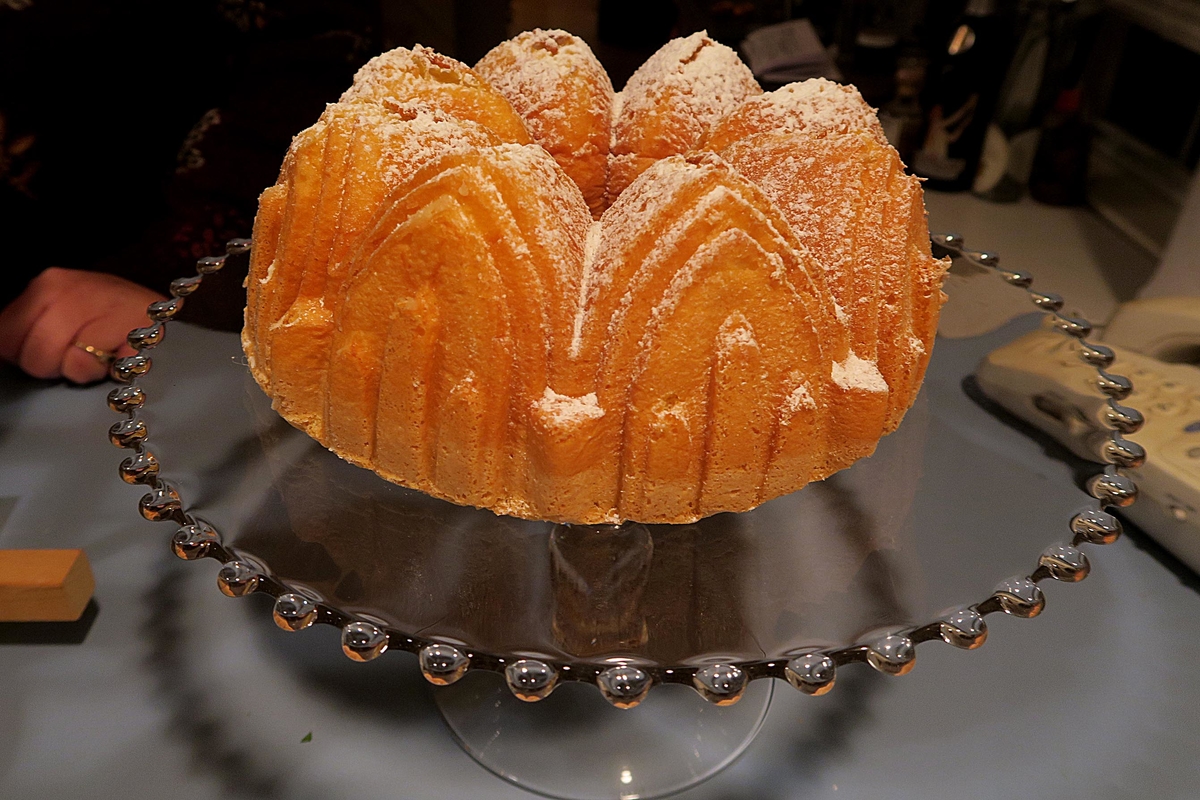
Savoy Cake, a traditional European sponge cake, has charmed generations with its light and airy texture. Originating in the Savoy region, now part of France and Italy, this dessert stands out as a testament to the artistry of baking without modern chemical leavening agents. Instead, it achieves its signature fluffiness through the delicate incorporation of whipped egg whites. Let’s dive into the fascinating history, preparation techniques, and enduring appeal of this culinary masterpiece.
Early American Savoy Cake
The Savoy Cake found its way to American kitchens during the colonial era, becoming a cherished treat among early settlers. Mrs. Mary Randolph, a renowned culinary author, immortalized the cake in her celebrated book, The Virginia Housewife Cookbook. This 19th-century treasure highlights the ingenuity of early American baking, where limited resources demanded creativity and precision.
Thomas Jefferson, an avid admirer of French cuisine, is believed to have enjoyed variations of the Savoy Cake. Its simplicity and versatility made it an ideal dessert for both grand banquets and intimate gatherings. The cake’s appeal transcended borders, blending the elegance of European pastry with the practicality of American kitchens.
Very Light and Fluffy Savoy Cake
What sets the Savoy Cake apart is its remarkable texture. This “light and fluffy” cake is achieved through a meticulous folding technique. Whipped egg whites, beaten to stiff peaks, are gently incorporated into a yolk and sugar mixture. The result is a batter so airy that it seems to defy gravity.
Bakers often enhance the flavor with a hint of lemon zest or a splash of vanilla. The cake’s golden crust, achieved by precise baking temperature, adds a subtle contrast to its spongy interior. Whether served plain, dusted with confectioner’s sugar, or adorned with fresh fruits, the Savoy Cake remains a crowd-pleaser.
How to Make Savoy Cake
Crafting a Savoy Cake is an exercise in precision and patience. The process celebrates traditional techniques passed down through generations. Authentic recipes, like those shared by culinary expert Rachida on her blog, Gâteau et Cuisine Rachida, emphasize the importance of quality ingredients and proper tools, such as a Kouglof mold.
The cake’s preparation is an art form, requiring a balance of technical skill and creativity. From whipping the egg whites to folding the batter, each step contributes to the final masterpiece. Let’s explore the process in detail.
Step-by-Step Instructions
- Prepare Your Ingredients: Gather eggs, sugar, sifted flour, and any flavorings such as lemon zest or orange blossom water. Preheat your oven to the correct baking temperature.
- Whip the Egg Whites: Beat the egg whites until they form stiff peaks. This step is crucial for achieving the cake’s light texture.
- Combine the Yolks and Sugar: In a separate bowl, beat the yolks and sugar until pale and thick. This creates the foundation of the batter.
- Fold Gently: Carefully fold the whipped egg whites into the yolk mixture, alternating with the sifted flour. Avoid overmixing to preserve the airiness.
- Bake to Perfection: Pour the batter into a greased Kouglof mold and bake until the cake develops a golden crust and springs back to the touch.
- Cool and Serve: Allow the cake to cool in the mold before turning it out. Dust with confectioner’s sugar or serve with fresh fruit.
Ingredients
- 6 large eggs (separated)
- 1 cup granulated sugar
- 1 cup sifted all-purpose flour
- 1 teaspoon lemon zest
- Optional: orange blossom water or vanilla extract
- Confectioner’s sugar for dusting
Instructions
- Preheat your oven to 350°F (175°C) and grease a Kouglof mold or other ornamental cake pan.
- Separate the egg whites and yolks into two large bowls.
- Beat the egg yolks with sugar until the mixture becomes pale and creamy.
- Whip the egg whites to stiff peaks using a clean, dry bowl and beaters.
- Gradually fold the egg whites into the yolk mixture, alternating with the sifted flour.
- Add lemon zest and any optional flavorings.
- Pour the batter into the prepared mold and bake for 25-30 minutes, or until a toothpick inserted into the center comes out clean.
- Let the cake cool for 10 minutes before unmolding. Dust with confectioner’s sugar and enjoy!
Video
For a visual guide, explore Rachida’s detailed tutorial on Gâteau et Cuisine Rachida. Her step-by-step video demonstrates the folding technique and the baking process, ensuring your success in replicating this classic recipe.
About
The Savoy Cake is more than just a dessert; it’s a celebration of culinary heritage. Originating in the Savoy region, its legacy has spread across continents, bringing joy to countless households. From the kitchens of France to the tables of early America, this cake embodies a timeless appeal.
The Latest Recipes
Discover modern twists on traditional recipes, such as chocolate-infused Savoy Cake or gluten-free variations. Blogs like Gâteau et Cuisine Rachida and cookbooks by culinary historians continue to inspire bakers worldwide.
Categories
- Traditional Recipes
- French Pastry
- Sponge Cakes
- Light and Fluffy Cakes
- Early American Baking
Frequently Asked Questions
- What is a Savoy Cake? A Savoy Cake is a traditional European sponge cake known for its light and airy texture, achieved through whipped egg whites rather than chemical leavening agents.
- How do I achieve the perfect texture? The key lies in properly whipping the egg whites and gently folding them into the batter to retain airiness.
- Can I add flavors to the Savoy Cake? Yes, you can enhance the flavor with lemon zest, vanilla extract, or even a splash of orange blossom water.
- What is the significance of the Kouglof mold? The Kouglof mold gives the cake its traditional ornamental shape, adding visual appeal to its delicious taste.
The Savoy Cake remains a timeless classic, cherished for its simplicity and elegance. Whether you’re revisiting its historical roots or experimenting with modern variations, this cake promises to delight with every bite.
