
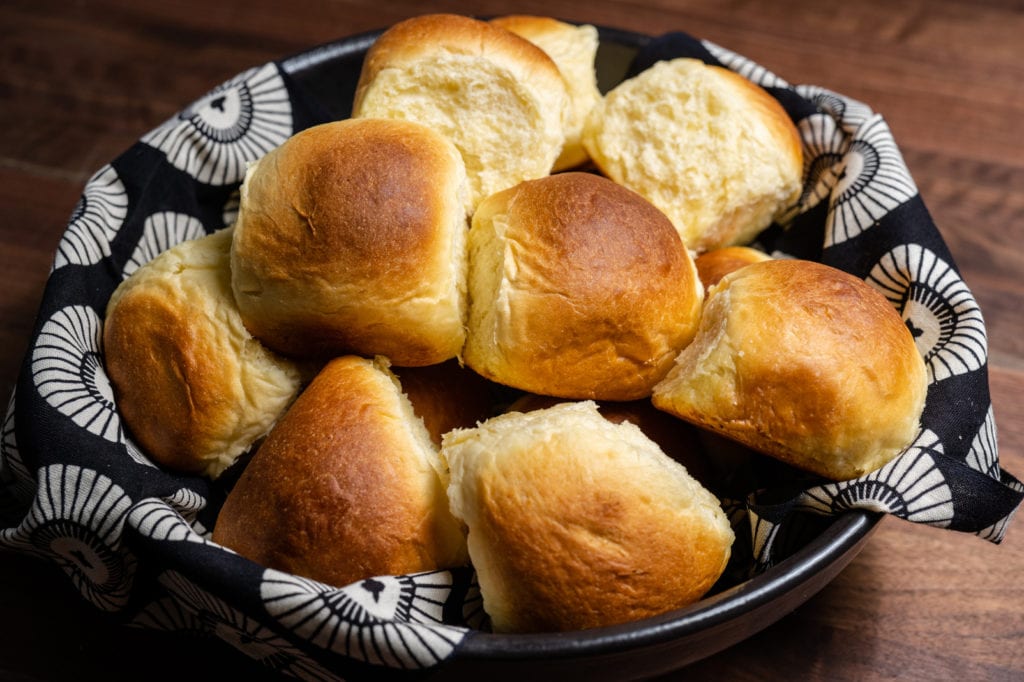
Brown and serve rolls have become a beloved staple in kitchens worldwide, offering the perfect combination of convenience and the satisfaction of freshly baked bread. These partially baked delights provide soft, fluffy interiors and crisp, golden exteriors, making them a crowd-pleaser for any occasion. Whether you’re preparing for a Midwestern Thanksgiving feast or looking for a quick, versatile bread option, brown and serve rolls never disappoint.
These Brown ’n Serve Rolls Are Full of Midwestern Charm
Brown and serve rolls hold a special place in Midwestern culinary traditions, where their practicality and deliciousness make them a favorite for family gatherings and holiday celebrations. The rolls’ origins can be traced back to Avon Park, Florida, where Dorothy Miller first popularized the concept. Midwestern families quickly embraced these parbaked rolls, appreciating their ability to deliver freshly baked bread without the hassle of starting from scratch.
For generations, Midwestern cooks have relied on brown and serve rolls as a staple of their Thanksgiving and Christmas feasts. Their ability to be stored for later use—and baked to perfection in minutes—makes them indispensable for busy households. Whether served alongside classic dishes like cranberry sauce or incorporated into innovative recipes, these rolls capture the essence of Midwestern charm.
Homemade Brown-and-Serve Rolls That Help Me Sleep Better
For those who love baking, homemade brown and serve rolls offer a sense of accomplishment and peace of mind. Knowing that a batch of these rolls is ready to go in the freezer can significantly reduce the stress of meal preparation. Paula, the author of Salad in a Jar, highlights how making these rolls at home gives her a head start on busy holiday mornings, ensuring her family enjoys fresh bread without last-minute scrambling.
Homemade versions allow for customization, from incorporating Japanese milk bread techniques for extra fluffiness to experimenting with flavors like sweet potato or cranberry. The process of par-baking and freezing these rolls ensures they retain their quality, offering a practical yet delightful way to prepare for any gathering. As Paula aptly puts it, “Homemade brown-and-serve rolls are my secret weapon for stress-free entertaining.”
Why Brown-and-Serve Rolls Are a Game Changer
Brown and serve rolls revolutionize the way we think about bread. Unlike traditional baking, where timing is critical, these rolls offer flexibility. The parbaking method—a process in which the dough is partially baked just enough to set its structure—ensures they can be stored as shelf-stable rolls and finished at your convenience.
Their versatility is another reason they’re a game changer. From Midwestern Thanksgiving rolls to bread machine dinner rolls, the possibilities are endless. These rolls can be served plain, topped with butter and garlic, or transformed into gourmet appetizers. Whether you’re using store-bought brown-and-serve rolls or a homemade version, their ability to deliver freshly baked results with minimal effort is unmatched.
How To Par-Bake Dinner Rolls
The par-baking method is the secret behind the success of brown and serve rolls. To create these partially baked bread delights, start by preparing a classic dinner roll dough using yeast. After shaping the rolls, allow them to rise until they’re light and puffy. Bake the rolls at a lower temperature than usual, just enough to set their structure without browning.
Once cooled, the rolls can be stored in the freezer for later use. When ready to serve, simply bake them at a higher temperature until they achieve a golden-brown crust and a soft, fluffy interior. This technique not only ensures freshness but also provides the flexibility to prepare rolls well in advance. Bread-making techniques like these make hosting holiday meals or weekday dinners a breeze.
Kitchen Tips for Success
To ensure your brown and serve rolls turn out perfectly every time, follow these expert tips. First, use high-quality ingredients, such as unbleached flour and fresh yeast, to achieve the best flavor and texture. Kneading the dough thoroughly ensures a smooth, elastic consistency, while allowing ample time for the rolls to rise gives them their characteristic lightness.
For freezer-friendly rolls, wrap them tightly in plastic wrap or aluminum foil to prevent freezer burn. When reheating, preheat your oven to the recommended temperature and brush the rolls with melted butter for an irresistible, golden crust. Finally, don’t be afraid to experiment with flavors—adding herbs, cheese, or even sweet toppings can elevate these rolls from a simple side dish to a show-stopping centerpiece.
Frequently Asked Questions
Q: What are brown and serve rolls? A: Brown and serve rolls are partially baked bread rolls designed to be finished in the oven at home. They’re convenient, versatile, and perfect for occasions requiring freshly baked bread.
Q: How do I store brown and serve rolls? A: These rolls can be stored in the refrigerator for a few days or in the freezer for longer periods. Wrap them tightly to maintain freshness.
Q: Can I make brown and serve rolls at home? A: Yes! Homemade versions allow you to customize flavors and ingredients while enjoying the convenience of parbaked rolls.
Q: Are brown and serve rolls suitable for special diets? A: Depending on the recipe, they can be adapted for gluten-free or vegan diets. Check specific recipes for modifications.
Q: What’s the best way to serve brown and serve rolls? A: They’re delicious plain, brushed with butter, or topped with herbs and cheese. Pair them with soups, salads, or holiday meals for a complete dining experience.
Brown and serve rolls embody the perfect combination of convenience and quality. Whether you choose a store-bought option or a homemade version inspired by Paula’s expertise or Dorothy Miller’s legacy, these rolls deliver fresh, warm bread to your table with ease. With their rich history, versatility, and timeless appeal, brown and serve rolls remain a cherished addition to kitchens everywhere.
